- All Drug Categories
- Home
- Anti-cancer Drugs
- Healthcare Products
- Medical Information
- Statement
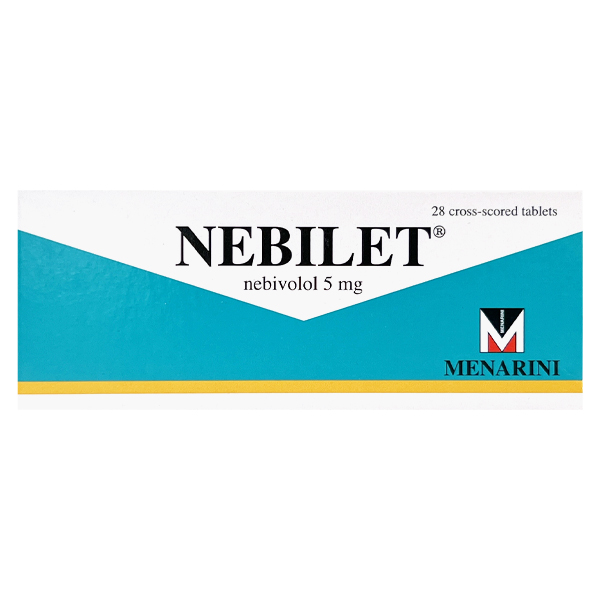
All Names: Nebivolol、Nebilet、奈必洛尔、盐酸奈比洛尔
Indications:Suitable for adult patients with hypertension.
Manufacturer:Menarini, Italy
Customs Clearance Procedure:If the customs requires the package for customs clearance, please pay the customs clearance fee according to the content of EMS SMS and customs regulations.
Nebivolol is a third-generation selective beta 1 receptor blocker that combines nitric oxide mediated vasodilation. It is mainly used to treat cardiovascular diseases such as hypertension, angina pectoris, and chronic heart failure.
1. Drug name
Common name: Nebivolol
Product Name: BYSTOLIC.
2. Indications
Used for treating hypertension and lowering blood pressure. By lowering blood pressure, fatal and non fatal cardiovascular events, mainly stroke and myocardial infarction, can be reduced.
3. Specifications
5mg, Tablets.
4. Main components
The active ingredient is nebivolol hydrochloride.
5. Usage and dosage
Hypertension: The recommended starting dose for most patients is 5mg once daily, which can be taken with meals or on an empty stomach. The dose can be gradually increased to 40mg every two weeks as needed. A more frequent dosing regimen is unlikely to bring additional benefits.
Dose adjustment:
Renal damage: For patients with severe renal insufficiency (ClCr<30mL/min), the recommended initial dose is 2.5mg once daily, which should be slowly increased.
Liver damage: For patients with moderate liver damage, the recommended initial dose is 2.5mg once daily, which should be gradually increased. Patients with severe liver damage are prohibited from using it.
6. Medication precautions
Before and after meals: can be taken with meals or on an empty stomach.
Missed medication: If missed, it should be taken immediately when remembered, unless it is close to the next medication time. Do not take twice the dosage at the same time.
Vomiting: If missed due to vomiting, it is recommended to skip this dose and take the regular dose at the next scheduled time.
7. Medication for special populations
Elderly patients: No need to adjust dosage.
Individuals with weakened CYP2D6 metabolism: No need to adjust dosage.
Pregnant women: Use only when potential benefits outweigh risks. Use in late pregnancy may cause neonatal hypotension, bradycardia, hypoglycemia, and respiratory depression.
Breastfeeding period: Breastfeeding is not recommended.
Children: Safety and efficacy have not yet been established.
8. Adverse reactions
The most common adverse reactions include headache, fatigue, dizziness, nausea, diarrhea, peripheral edema, erectile dysfunction, and insomnia.
The reported adverse reactions include bradycardia, dizziness, nausea, fatigue, headache, insomnia, rash, bronchospasm, acute pulmonary edema, acute kidney failure, atrioventricular block, allergic reactions (including urticaria, angioedema), hypotension, myocardial infarction, thrombocytopenia, various rashes, and dizziness.
9. Contraindications
Taboo in the following situations: severe bradycardia, second degree or higher atrioventricular block, cardiogenic shock, decompensated heart failure, sinus syndrome (unless permanent pacemaker is installed), severe liver damage (Child Pugh>B), or allergy to any ingredients of this product.
10. Drug interactions
CYP2D6 inhibitors (such as quinidine, fluoxetine): may increase the blood concentration of nebivolol.
Blood pressure lowering drugs (such as reserpine and clonidine): may lead to excessive blood pressure reduction.
Digitalis glycosides: Co administration may increase the risk of bradycardia.
Calcium channel blockers (such as verapamil and diltiazem): may cause excessive decrease in heart rate, blood pressure, and myocardial contractility.
11. Storage method
Store in an environment of 20 ° C to 25 ° C (68 ° F to 77 ° F).
Nebivololinformation