- All Drug Categories
- Home
- Anti-cancer Drugs
- Healthcare Products
- Medical Information
- Statement
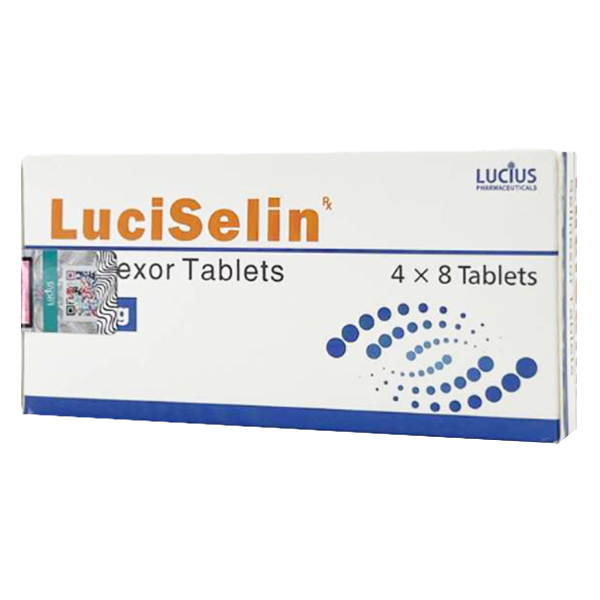
All Names: selinexor、Xpovio、塞利尼索
Indications:Treatment of relapsed/refractory multiple myeloma (RRMM) and relapsed/refractory diffuse large B-cell lymphoma (RR DLBCL)
Manufacturer:LUCIUS PHARMACEUTICAL (LAOS) CO., LTD
Customs Clearance Procedure:If the customs requires the package for customs clearance, please pay the customs clearance fee according to the content of EMS SMS and customs regulations.
Seliniso has shown significant clinical efficacy in the treatment of relapsed/refractory multiple myeloma (RRMM) and relapsed/refractory diffuse large B-cell lymphoma (RR DLBCL), providing patients with new treatment options.
1、 Drug name
1. Common name: Selinexor;
2. Product Name: XPOVIO ™。
2、 Indications
Celinosol combined with dexamethasone is suitable for the treatment of adult patients with recurrent or refractory multiple myeloma (RRMM), specifically those who have received at least four previous treatments (including alkylating agents, glucocorticoids, bortezomib, carfizomib, lenalidomide, pomalidomide, and anti-CD38 monoclonal antibodies) and are resistant to at least two proteasome inhibitors, two immunomodulators, and anti-CD38 monoclonal antibodies. This indication is based on an accelerated approval process and requires further validation of clinical benefits.
3、 Specifications and characteristics
1. Specification: 20mg/tablet;
2. Appearance: Circular double convex thin film coating.
4、 Main components
1. Active ingredient: Celinosol;
2. Auxiliary materials include colloidal silica, cross-linked carboxymethyl cellulose sodium, magnesium stearate, etc.
5、 Usage and dosage
1. Recommended dosage: Take 80mg (4 tablets) orally on the 1st and 3rd day of each week, in combination with 20mg dexamethasone.
2. Usage: Swallow the whole tablet, do not break, chew or crush it. It is recommended to take medication at a fixed time. If missed or vomited, there is no need to take it again. Follow the original plan for the next medication.
3. Monitoring requirements: In the early stages of treatment, frequent monitoring of blood routine, blood sodium, and body weight is necessary (especially in the first 2 months).
6、 Dose adjustment
1. Thrombocytopenia: Discontinue or reduce according to severity (pause if platelet count<25000/μ L).
2. Neutropenia: When febrile neutropenia occurs, pause and adjust the dosage.
3. Gastrointestinal toxicity: Severe nausea/vomiting or diarrhea require reduced dosage and enhanced antiemetic/antidiarrheal support.
4. Hyponatremia: Intervention and dose adjustment are required when blood sodium is ≤ 130mmol/L.
5. Other adverse reactions, such as fatigue and significant weight loss, need to be adjusted according to the grading.
7、 Medication precautions
1. Diet: Can be taken with food, but requires sufficient hydration and calorie intake to prevent dehydration or weight loss.
2. Preprocessing: It is recommended to use 5-HT3 antagonists to prevent nausea and vomiting.
3. Taboo combination: Avoid combining with other drugs that may cause dizziness or mental state.
4. Special Reminder: Avoid driving or operating machinery during medication as it may cause dizziness or confusion.
8、 Medication for special populations
1. Pregnancy/lactation: with embryo fetal toxicity, prohibited for pregnant women; Patients of childbearing age should take effective contraception (during treatment and one week after discontinuation). Prohibited during lactation.
2. Elderly patients: Patients aged ≥ 75 have a higher risk of adverse reactions and require close monitoring.
3. Liver and kidney dysfunction: Mild to moderate without dose adjustment, severe with insufficient data.
9、 Adverse reactions
1. Common (≥ 20%) conditions include: thrombocytopenia, fatigue, nausea, anemia, decreased appetite, weight loss, diarrhea, vomiting, hyponatremia, neutropenia, etc.
2. Serious adverse reactions may include bleeding, infection, neurological toxicity (such as blurred vision), and dehydration related complications.
10、 Contraindications
There are no absolute contraindications, but careful evaluation of the patient's underlying condition and concomitant medication is necessary.
11、 Drug interactions
1. CYP3A4 substrate: Celinosol is metabolized by CYP3A4 and should be used with caution when combined with potent CYP3A4 inhibitors/inducers.
2. UGT/GST metabolism: may be influenced by related enzyme regulators.
12、 Storage method
Store below 30 ° C (86 ° F) and keep the original packaging moisture-proof and away from light.
selinexorinformation