- All Drug Categories
- Home
- Anti-cancer Drugs
- Healthcare Products
- Medical Information
- Statement
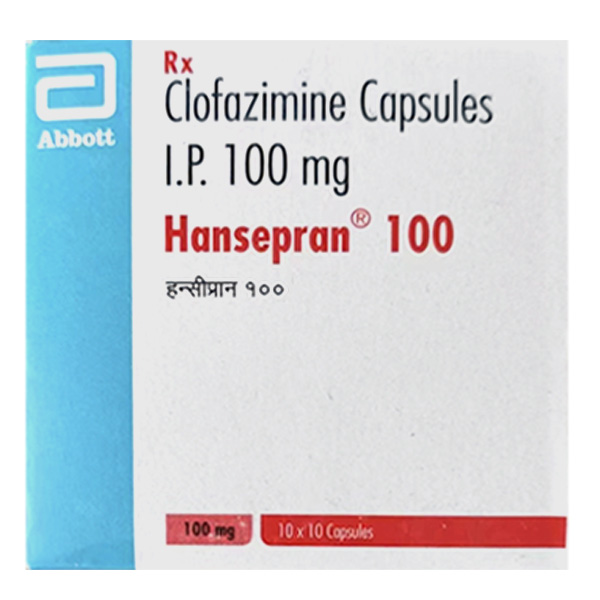
All Names: Clofaziminum、Lamprene、Clofazimine、氯法齐明、氯苯吩嗪
Indications:Suitable for patients diagnosed with leprosy nodular leprosy, including those who are resistant to dapsone, those with concomitant leprosy nodular erythema, and leprosy nodular leprosy patients with human immunodeficiency virus (HIV) co infection.
Manufacturer:Abbott, USA
Customs Clearance Procedure:If the customs requires the package for customs clearance, please pay the customs clearance fee according to the content of EMS SMS and customs regulations.
Clofazimine plays an important role in the treatment of leprosy and leprosy reactions.
1、 Drug name
1. Common name: Clofazimine
2. Product Name: LAMPRENE
2、 Indications
Mainly used for combined treatment of leprosy, including:
1. Tumor type leprosy (including those resistant to sulfamethoxazole).
2. Tumor type leprosy accompanied by complications of leprosy nodular erythema (ENL).
3. To prevent the development of drug resistance, this product is only used in combination with other anti leprosy drugs as part of the initial treatment.
3、 Specifications and characteristics
1. Specification: Each soft capsule contains 50 milligrams of micronized chlorpromazine.
2. Appearance: Brown spherical soft capsule, containing drug suspension in an oil wax matrix.
4、 Main components
1. Active ingredient: Chlorpheniramine
2. Non active ingredients (included in the capsule): beeswax, hydroxytoluene, citric acid, ethylvanillin, gelatin, glycerol, iron oxide, lecithin, p-methoxyacetophenone, p-hydroxybenzoate esters, vegetable oil, propylene glycol.
5、 Usage and dosage
Regular dosage:
1. Tumor type leprosy sensitive to dapsone: 100mg daily, taken with meals. As part of the combination therapy, it should last for at least 2 years, preferably until the skin smear test is negative for bacteria, and then switch to other suitable anti leprosy drugs for monotherapy.
2. Tumor type leprosy resistant to dapsone: 100mg daily, taken with meals. Used in combination with one or more other anti leprosy drugs for 3 years, then maintained with 100 milligrams of chlorpromazine monotherapy per day.
3. Accompanied by leprosy nodular erythema (ENL): 100 to 200 milligrams per day, used in conjunction with basic anti leprosy treatment and clinically indicated steroids. Once the reaction is under control, the dosage should be reduced to 100 milligrams per day as soon as possible.
4. Usage: It is necessary to take it with meals to improve absorption and reduce gastrointestinal discomfort.
6、 Dose adjustment
1. Patients with liver function impairment: Use should be avoided unless the benefits outweigh the risks.
2. Patients with renal impairment: mild to moderate impairment does not require dose adjustment; Patients with severe damage should use with caution.
3. Children: Safety and efficacy have not yet been established.
4. Elderly people: Usually, the dosage should be carefully selected, starting from the low end.
5. HIV co infected patients: No need to adjust dosage.
7、 Medication precautions
1. Medication and eating: must be taken with meals. Compared to fasting, taking medication after meals can shorten the peak time (from 12 hours to 8 hours).
2. Forgetting to take medication (missed dose): It is recommended to take the usual dosage at the next meal, and it is not recommended to take double the dose at once.
3. Vomiting treatment: If vomiting occurs shortly after taking medication, consult a doctor.
4. High risk medication reminder:
Gastrointestinal reactions: This product can deposit on the intestinal mucosa, causing abdominal pain, nausea, vomiting, diarrhea, and in severe cases, intestinal obstruction, gastrointestinal bleeding, or splenic infarction. If the above symptoms occur, immediate medical attention should be sought, and medication may need to be reduced, stopped, or the dosing interval extended.
QT interval prolongation: Daily doses exceeding 100 milligrams or in combination with other drugs that prolong the QT interval (such as bedaquiline) may cause apical torsion ventricular tachycardia. Electrocardiogram monitoring is required. If the QTcF interval is ≥ 500 milliseconds or if arrhythmia occurs, medication should be discontinued.
Skin and body fluid discoloration: 75% -100% of patients may experience discoloration of the skin (pink to brownish black), conjunctiva, tears, sweat, sputum, urine, and feces. Patients need to be informed in advance, and this discoloration may take several months or years to subside after discontinuation of medication.
Psychological impact: Skin discoloration may lead to depression and even suicide. Monitor the mental health status of patients.
8、 Medication for special populations
1. Pregnant women: Animal experiments have shown harm to the fetus (such as delayed skull ossification, miscarriage, stillbirth). Newborns may experience skin pigmentation at birth, which usually gradually subsides within a year. Use only when potential benefits prove reasonable for the fetus.
2. Women of childbearing age: A pregnancy test is required before medication. Effective contraceptive measures must be used during treatment and for at least 4 months after discontinuation of medication.
3. Breastfeeding women: This product can be secreted through breast milk. Newborns who are breastfed may experience skin discoloration. It is necessary to weigh the pros and cons before deciding whether to breastfeed.
4. Men with fertility: During treatment and at least 4 months after discontinuing medication, condoms should be used during sexual intercourse.
9、 Adverse reactions
1. The most common (incidence rate 40% -50%): abdominal pain/upper abdominal pain, diarrhea, nausea, vomiting, gastrointestinal intolerance.
2. Very common (75% -100%): red to brownish black pigmentation on the skin, conjunctiva, and body fluids (sweat, tears, phlegm, urine, feces).
3. Common (8% -28%): ichthyosis, dry skin.
4. Occasional (1% -5%): rash, itching.
5. Rare (<1%): Intestinal obstruction, gastrointestinal bleeding, splenic infarction, depression/suicide (secondary to skin discoloration), apical torsion ventricular tachycardia (QT prolongation), dizziness, drowsiness, abnormal liver function, hypokalemia, retinopathy, etc.
10、 Contraindications
Patients with a history of allergies to chlorpromazine or any excipient components of this product.
11、 Drug interactions
1. Medications that prolong the QT interval: When used in combination with bedaquiline or other drugs that prolong the QT interval, it can increase the risk of QT prolongation and arrhythmia. An electrocardiogram needs to be monitored.
2. CYP3A4/5 substrate drugs: This product may inhibit CYP3A4/5, causing an increase in the concentration of these drugs (such as some HIV protease inhibitors, calcium channel blockers, etc.) and increasing the risk of toxicity. When using combination therapy, the toxicity of the relevant drugs should be monitored.
3. Isoniazid: High dose chlorpromazine (300 mg/day) combined with isoniazid can increase the blood concentration of chlorpromazine.
4. Cross resistance: No cross resistance with dapsone or rifampicin.
12、 Storage method
1. Storage temperature: shall not exceed 25 ° C.
2. Moisture proof: Store in a sealed container.
Clofazimineinformation