- All Drug Categories
- Home
- Anti-cancer Drugs
- Healthcare Products
- Medical Information
- Statement
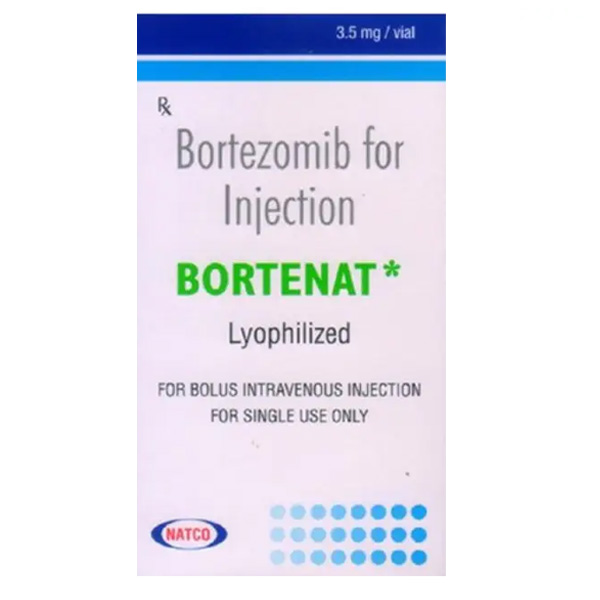
All Names: Velcade、Bortezomib、硼替佐米、万珂
Indications:Suitable for the treatment of adult patients, including multiple myeloma (previously untreated and relapsed/refractory) and mantle cell lymphoma (previously untreated and relapsed or progressed after at least one treatment).
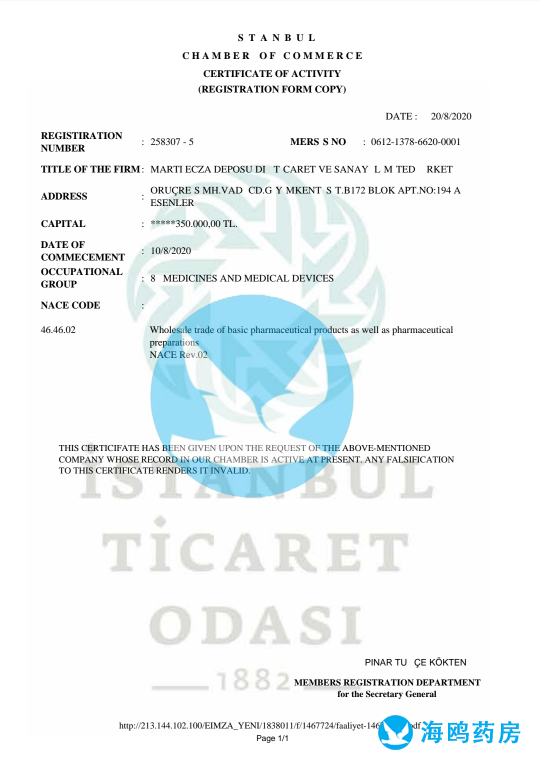
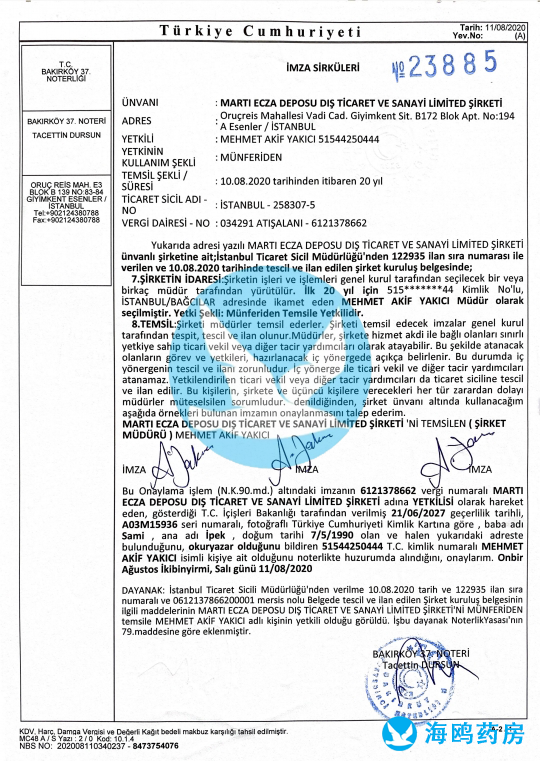
Manufacturer:Natco,India
Customs Clearance Procedure:If the customs requires the package for customs clearance, please pay the customs clearance fee according to the content of EMS SMS and customs regulations.
Velcade is a reversible proteasome inhibitor that specifically inhibits the chymotrypsin like activity of the 26S proteasome, interferes with the degradation process of intracellular proteins, induces cell apoptosis, and exerts anti-tumor effects.
1、 Drug name
1. Common name: Bortezomib
2. Product Name: VELCADE ® (Wanke)
2、 Indications
This product is suitable for treating adult patients:
1. Multiple myeloma.
2. Mantle cell lymphoma.
3、 Specifications and characteristics
Each bottle is a single dose glass bottle containing 3.5mg of sterile freeze-dried powder.
4、 Main components
Active ingredient: Bortezomib, is a proteasome inhibitor.
5、 Usage and dosage
1. Important Medication Guidelines:
For subcutaneous or intravenous use only, intrathecal injection is strictly prohibited.
The recommended starting dose is 1.3mg/m ².
Intravenous injection should be administered as a 3-5 second rapid push injection; Subcutaneous injections should be administered alternately in the thigh or abdomen.
There should be at least a 72 hour interval between two consecutive administrations.
2. Dissolving method:
Intravenous administration: Dissolve 3.5mL of 0.9% sodium chloride to a final concentration of 1mg/mL.
Subcutaneous administration: Dissolve 1.4mL of 0.9% sodium chloride to a final concentration of 2.5mg/mL.
The volume of administration needs to be extracted based on the calculated dose.
Stability: The drug can be used within 8 hours at 25 ° C after reconstitution (including storage time in the syringe).
6、 Dose adjustment
1. Liver function impairment:
Mild damage: No need to adjust the starting dose.
Moderate to severe damage: The initial dose for the first cycle should be reduced to 0.7mg/m ². Subsequent cycles can be increased to 1mg/m ² or further reduced to 0.5mg/m ² based on tolerance considerations.
2. Peripheral neuropathy:
When new or worsening peripheral neuropathy occurs, it may be necessary to reduce the dosage or adjust the medication regimen.
Grade 1 accompanied by pain or Grade 2: dose reduced to 1mg/m ².
Grade 2 with pain or Grade 3: Suspend medication until toxicity subsides, and re administer once a week at a dose of 0.7mg/m ².
Level 4: Permanent discontinuation of medication.
3. Other toxicities:
When grade 3 or above non hematological toxicity or grade 4 hematological toxicity occurs, administration should be suspended until symptoms improve to grade 1 or baseline levels. When resuming medication, the dose should be reduced by 25% (e.g. from 1.3mg/m ² to 1mg/m ²).
7、 Medication precautions
1. Before administration: Caution should be exercised when calculating the dose, as the dosage per bottle (3.5mg) may exceed the patient's required dose to avoid overdose.
2. During administration: It is recommended to drink plenty of water to prevent dehydration. Diabetes patients need to monitor blood sugar closely.
3. Missed administration: If a dose is missed, wait for the next scheduled dose at the normal dosing interval (at least 72 hours) without needing to double the dosage. Suggest setting reminders or recording medication schedules.
4. Vomiting: If the patient vomits after administration, the medication should not be replenished on the same day and should wait for the next scheduled administration time.
8、 Medication for special populations
1. Pregnant women: Based on its mechanism of action and animal research, it may cause harm to the fetus. During the treatment period and within 7 months after the last dose, women of childbearing age and their partners should take effective contraceptive measures.
2. Breastfeeding women: It is recommended not to breastfeed during treatment and for 2 months after the last dose.
3. Children: Safety and efficacy have not yet been determined.
4. Elderly individuals: The incidence of grade 3 and 4 adverse events is higher in patients aged 65 and above.
5. Renal dysfunction: No need to adjust the starting dose. If dialysis is required, medication should be administered after dialysis.
6. Patients with diabetes: patients who use oral hypoglycemic drugs should closely monitor their blood sugar levels and may need to adjust the dosage of hypoglycemic drugs.
9、 Adverse reactions
1. Most common (incidence ≥ 20%): nausea, diarrhea, thrombocytopenia, neutropenia, peripheral neuropathy, fatigue, neuralgia, anemia, leukopenia, constipation, vomiting, lymphopenia, rash, fever, and decreased appetite.
2. Serious Warning: May cause cardiac toxicity (such as heart failure), pulmonary toxicity (such as acute respiratory distress syndrome), reversible posterior encephalopathy syndrome, tumor lysis syndrome, hepatotoxicity, and thrombotic microvascular disease.
10、 Contraindications
1. Individuals who are allergic to bortezomib, boron, or mannitol (including those who have experienced allergic reactions).
2. Prohibited for intrathecal injection, there have been reports of deaths caused by intrathecal injection.
11、 Drug interactions
1. Strong CYP3A4 inducer: Avoid co administration as it may reduce the efficacy of bortezomib.
2. Strong CYP3A4 inhibitor: When used in combination, it increases the exposure of bortezomib, and toxicity should be closely monitored to consider reducing dosage.
12、 Storage method
1. Unopened: Store at controlled room temperature of 25 ° C (77 ° F), allowing for short-term fluctuations from 15 ° C to 30 ° C. Keep in the original packaging to avoid exposure to light.
2. After reconstitution: The reconstituted product must be used within 8 hours and can be stored in the original bottle or syringe.
Velcadeinformation