- All Drug Categories
- Home
- Anti-cancer Drugs
- Healthcare Products
- Medical Information
- Statement
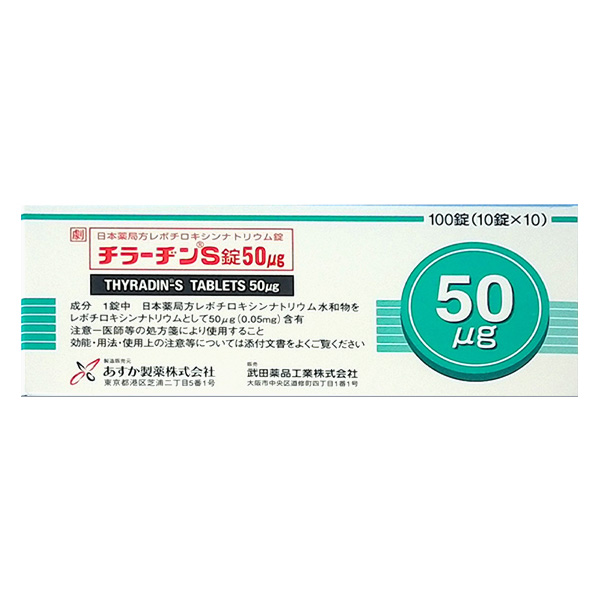
All Names: Levothyroxine-Natrium、L-Thyroxin、Euthyrox、左甲状腺素钠片、优甲乐
Indications:It is suitable for patients with hypothyroidism of all ages, including adults, newborns, and infants, as well as differentiated thyroid cancer patients who require TSH suppression therapy.
Manufacturer:日本ASKA制药
Customs Clearance Procedure:If the customs requires the package for customs clearance, please pay the customs clearance fee according to the content of EMS SMS and customs regulations.
Levothyroxine sodium tablets (Euthyrox) are artificially synthesized preparations of thyroxine T4, primarily used for replacement therapy in patients with hypothyroidism and for TSH suppression therapy after surgery for differentiated thyroid cancer.
1. Drug name
1. Common name: Levothyroxine Sodium Tablets
2. Product name: Euthyrox®
3. Active ingredient: Levothyroxine sodium
II. Indications
1. Hypothyroidism: Used for replacement therapy in adults and children with primary (thyroidal), secondary (pituitary), and tertiary (hypothalamic) congenital or acquired hypothyroidism.
2. Pituitary thyrotropin-releasing hormone (TSH) suppression: used as adjuvant therapy for well-differentiated thyroid cancer (TSH-dependent), serving as a complementary approach to surgery and radioactive iodine therapy.
3. Usage restrictions: Not applicable to the suppression therapy of benign thyroid nodules and non-toxic diffuse goiter in patients with adequate iodine intake; not applicable to the treatment of hypothyroidism in the recovery phase of subacute thyroiditis.
III. Specifications and Characteristics
1. Specification: 50μg*100 tablets/box, 100μg*100 tablets/box.
2. Characteristic: Round.
IV. Main components
Active ingredient: Levothyroxine Sodium.
5. Usage and Dosage
General usage: Take orally once daily. It should be taken on an empty stomach, half an hour to an hour before breakfast
2. Dosage principle: The initial dosage depends on various factors, including age, body weight, cardiovascular status, comorbidities (including pregnancy), concomitant medications, co-ingested foods, and specific medical conditions. It may take 4 to 6 weeks to achieve peak therapeutic effect.
3. General dosage for primary hypothyroidism in adults: For patients who are otherwise healthy, non-elderly, and have had hypothyroidism for a relatively short period of time, a full replacement dosage can be initiated, approximately 1.6 micrograms/kg/day (e.g., for a 70-kg adult, approximately 100-125 micrograms/day). The dosage is usually adjusted every 4-6 weeks (by 12.5-25 micrograms each time) until clinical symptoms are alleviated and serum TSH returns to normal. The daily dosage rarely needs to exceed 200 micrograms.
4. Starting dose for special populations:
Elderly patients or those with underlying heart disease: The initial dose is 12.5-25 micrograms per day, and adjustments are made every 6-8 weeks as needed.
Patients with severe and long-term hypothyroidism: The initial dosage is 12.5-25 micrograms per day, with adjustments every 2-4 weeks.
VI. Dose adjustment and monitoring
1. Basis for Adjustment: Individualized dosage adjustments are made based on regularly assessed clinical responses and laboratory parameters, primarily serum TSH.
2. Monitoring frequency: After dosage adjustment in adult patients, serum TSH should be monitored after 6-8 weeks; once the condition stabilizes, assessments should be conducted every 6-12 months. Pregnant women require increased monitoring frequency.
3. Poor efficacy: If clinical and laboratory evidence of hypothyroidism persists despite seemingly adequate substitution, it may indicate malabsorption, poor adherence, or drug interactions.
VII. Medication Precautions
1. Time of Administration: Take on an empty stomach in the morning, with at least a 30-60 minute interval from breakfast. It should be taken at least 4 hours apart from medications that may interfere with absorption (such as calcium and iron supplements, antacids, proton pump inhibitors, etc.).
2. Missed dose: If you miss a dose, take it as soon as possible. If it is close to the next scheduled dose, skip the missed dose and take the next dose at the regular time. Do not take a double dose.
3. Vomiting: If vomiting occurs shortly after taking the medication, it may affect drug absorption, and no additional doses should be taken. Consult a doctor.
4. Administration method: For infants and children who cannot swallow whole tablets, the tablets can be crushed and suspended in a small amount (5-10 ml) of water, and immediately administered with a spoon or dropper. Do not store the suspension.
5. Food Effects: Certain foods (such as soy products, high-fiber foods, walnuts, and grapefruit juice) may affect absorption. Assess whether a dosage adjustment is necessary.
VIII. Medication for special populations
1. Pregnancy: Pregnant women with hypothyroidism may need to increase their dosage. Once pregnancy is confirmed, serum TSH and FT4 should be tested immediately, and monitored at least once during each trimester. The dosage should be immediately restored to pre-pregnancy levels after delivery.
2. Lactation: Levothyroxine is secreted into human milk, but the therapeutic benefits usually outweigh the risks. Adequate treatment for hypothyroidism in lactating mothers is beneficial for normal lactation.
3. Children: The dosage needs to be adjusted based on body weight and age (see the specific table in the drug instructions for details), and close monitoring of growth and development is required. Congenital hypothyroidism requires immediate treatment.
4. Elderly individuals: Due to an increased risk of cardiovascular disease, they should start with a lower dosage (such as 12.5-25 micrograms per day).
IX. Adverse reactions
Primarily related to the treatment of symptoms caused by hyperthyroidism due to overdose, including:
1. Cardiovascular: palpitations, tachycardia, arrhythmia, angina pectoris, myocardial infarction, heart failure.
2. Central nervous system: headache, hyperactivity, tension, anxiety, irritability, insomnia, tremor.
3. Systemic: fatigue (rare), increased appetite, weight loss, intolerance to heat, fever, excessive sweating.
4. Gastrointestinal tract: diarrhea, vomiting, abdominal pain, and elevated liver function.
5. Musculoskeletal: Muscle spasms, weakness.
6. Skin: hair loss, flushing, rash.
7. Others: menstrual disorders, decreased bone density.
8. Pediatric patients: Pseudotumor of the brain and subluxation of the femoral head epiphysis may occur. Overdose may lead to premature closure of cranial sutures in infants and premature closure of epiphysis in children.
X. Contraindications
Uncorrected adrenal insufficiency.
XI. Drug Interactions
1. Drugs affecting absorption: Calcium carbonate, ferrous sulfate, cholestyramine, cholestyramine, proton pump inhibitors, sucralfate, antacids, etc., can reduce the absorption of levothyroxine, and should be taken at least 4 hours apart.
2. Drugs affecting metabolism: Phenobarbital, rifampin, etc. can increase the metabolism of levothyroxine, and may require an increased dosage.
3. Drugs affecting drug efficacy:
Antidiabetics: Thyroid hormones may worsen blood glucose control, necessitating monitoring of blood glucose levels and possibly an increase in the dosage of hypoglycemic agents.
Oral anticoagulants (such as warfarin): Thyroid hormones may enhance the anticoagulant effect, necessitating close monitoring of coagulation indicators and possibly requiring a reduction in the dose of anticoagulants.
Digitalis glycosides: May reduce its efficacy, and the dosage of digitalis may need to be increased after the hypothyroidism is corrected.
Sympathomimetic drugs: When used in combination with thyroid hormones, they may increase the risk of coronary artery insufficiency.
Antidepressants: The combination of tricyclic/tetracyclic antidepressants and levothyroxine may increase the effects and toxicity of both drugs.
XII. Storage method
1. Store at 20°C to 25°C (68°F to 77°F), with brief excursions allowed to 15°C to 30°C (59°F to 86°F).
2. Keep away from light, moisture, and heat.
3. Do not remove individual tablets from the intact blister pack until you are ready to take them.
Euthyroxinformation