- All Drug Categories
- Home
- Anti-cancer Drugs
- Healthcare Products
- Medical Information
- Statement
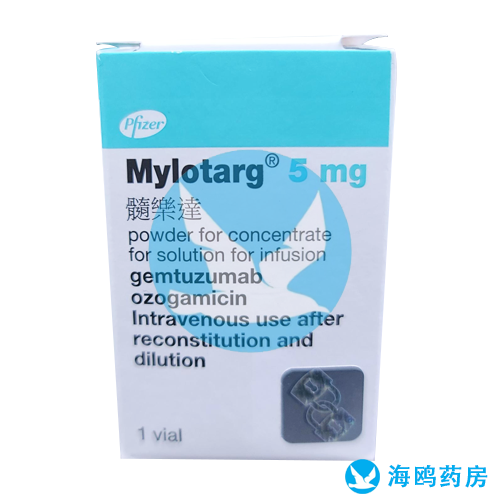
Mylotarg (Gemtuzumab) is an antibody drug conjugate targeting CD33, used for the treatment of CD33 positive acute myeloid leukemia. Due to its significant drug-related liver toxicity, some populations should absolutely or relatively avoid its use. The following provides detailed explanations for two core taboo/caution groups.
1、 Severe liver dysfunction patients
1.1 Definition and Judgment Criteria
Severe liver dysfunction usually refers to:
Total bilirubin>3 × ULN (upper limit of normal), and/or
ALT/AST>5 × ULN, or
There are symptoms of decompensated liver disease, such as coagulation dysfunction, hypoalbuminemia, ascites, and hepatic encephalopathy.
1.2 Prohibition Basis
The active ingredient of Mylotarg (kanamycin) is metabolized by the liver, and severe damage to liver function will significantly delay drug clearance and increase the risk of toxicity accumulation.
In clinical studies, individuals with baseline liver dysfunction have a significantly increased risk of developing Sinus Obstructive Syndrome (SOS) and fatal liver injury.
The drug instructions clearly list severe liver dysfunction as a contraindication.
1.3 Clinical recommendations
Absolute prohibition: Mylotarg should not be used in patients diagnosed with severe liver dysfunction.
Alternative considerations: Non hepatotoxic targeted drugs (such as Vinaclat combined with Azacitidine) or participation in clinical trials may be considered.
Comprehensive liver function assessment: ALT, AST, total bilirubin, alkaline phosphatase, and prothrombin time must be tested before treatment to accurately assess liver function reserve.
2、 Patients with a history of hepatic sinus obstruction syndrome
2.1 What is Sinus Obstruction Syndrome
SOS (also known as VOD) is a liver blood flow obstruction caused by damage to the sinusoidal endothelial cells, manifested as jaundice, ascites, liver enlargement with pain, and sudden weight gain.
Mylotarg is one of the known SOS inducing drugs, especially when used before transplantation or in combination with other hepatotoxic drugs.
2.2 Risk of recurrence and contraindication levels
Previously diagnosed with SOS: The risk of SOS recurrence is extremely high after using Mylotarg again, and some cases can be fatal.
Taboo advice: Drug instructions and multiple clinical guidelines do not recommend the use of Mylotarg for patients who have experienced SOS, unless the benefits outweigh the risks and there is no alternative.
2.3 Clinical operation suggestions
Strict medical history inquiry: Prior to medication, a detailed record of past liver toxicity events, especially the history of postoperative SOS/VOD, must be kept.
Alternative pathways: Prioritize the use of targeted drugs that do not increase the risk of SOS (such as FLT3 inhibitors, IDH inhibitors) or standard chemotherapy regimens.
If it is necessary to use (extremely rare): the dose should be reduced, the infusion time extended, and high-frequency liver function monitoring (at least twice a week) should be implemented under the consultation of a liver disease specialist. SOS rescue drugs such as fibrinogen should also be provided.
Disclaimer:《Mylotarg contraindication population: Notice for patients with severe liver dysfunction and previous hepatic sinus obstruction syndrome》Edited and sorted by Seagull Pharmacy's editors. Please contact us in time if there is any infringement. In addition, the suggestions for drug usage, dosage and disease mentioned in the article are only for medical staff's reference, and can not be used as any basis for medication!
Full Name:
Reference Price:$32160.00
Prescribing Information: 吉妥单抗是一款靶向CD33抗原的抗体-药物偶联物(ADC),由美国辉瑞公司(Pfizer)研发生产。 一、药品名称与主要成分 1、通用名: 吉妥单抗(Gemtuzumabozogamicin) 2、商品名: MYLOTARG™ 3、剂型: ...