- All Drug Categories
- Home
- Anti-cancer Drugs
- Healthcare Products
- Medical Information
- Statement
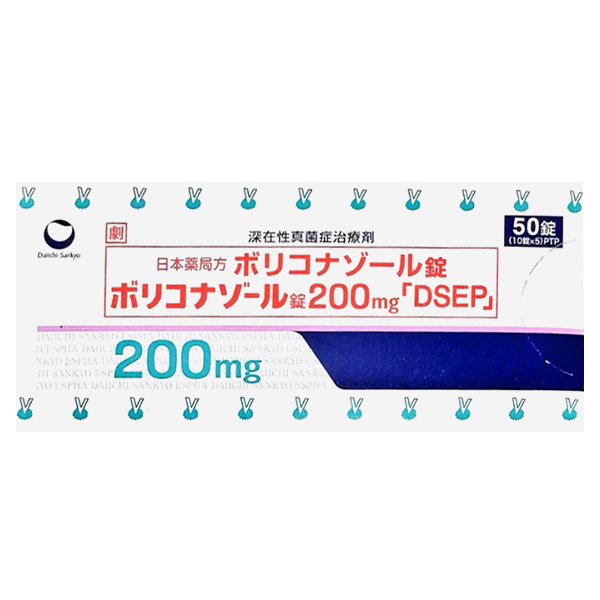
All Names: Vorizol、voriconazole、Vfend、伏立康唑、威凡
Indications:Suitable for adults and children aged 2 and above who require treatment for invasive aspergillosis, candidemia, esophageal candidiasis, and specific refractory fungal infections.
Manufacturer:Daiichi Sankyo Company Limited,Japan
Customs Clearance Procedure:If the customs requires the package for customs clearance, please pay the customs clearance fee according to the content of EMS SMS and customs regulations.
Fluconazole (VFEND) is a broad-spectrum triazole antifungal drug that exerts antifungal activity by non competitively inhibiting fungal cytochrome P450 dependent 14 α - lanosterol demethylase, blocking ergosterol biosynthesis, and disrupting fungal cell membrane integrity.
1、 Drug name
Common name: Fluconazole
Product Name: Vfend ®
2、 Indications
This product is an azole antifungal drug suitable for the treatment of severe fungal infections in adults and children aged 2 years and above
Invasive aspergillosis, including infections caused by Aspergillus fumigatus, Aspergillus flavus, Aspergillus niger, Aspergillus terreus, etc.
Candidiaemia in patients with non neutropenia.
Esophageal candidiasis.
3、 Specifications and characteristics
Tablets: 200mg
Note: Tablets contain lactose.
4、 Main components
Active ingredient: Voriconazole.
5、 Usage and dosage
Adult
Choose intravenous or oral administration based on the type of infection and patient condition (weight, liver and kidney function). The initial treatment usually involves intravenous infusion, which may be converted to oral administration depending on clinical conditions.
Intravenous administration: In the initial stage of treatment, a loading dose is given first, followed by a maintenance dose.
Children aged 2 and above
From 2 years old to<12 years old, and from 12 years old to 14 years old with a weight<50kg: corresponding doses should be given according to different infections.
Ages 12 to 14 and weight ≥ 50kg: Use adult dosage regimen regardless of weight.
Age 15 and above: Use adult dosage regimen, regardless of weight.
6、 Dose adjustment
Liver dysfunction:
Adults: Mild to moderate liver dysfunction (Child Pugh A and B grades): Use half of the recommended maintenance dose. Patients with severe (Child Pugh C grade) liver dysfunction have not been studied yet. If the benefits outweigh the risks, close monitoring of adverse reactions is necessary.
Children: No dosage adjustment guidance has been established.
Renal insufficiency:
Combined use with other medications:
When used in combination with phenytoin or efavirenz, the dosage of voriconazole needs to be adjusted.
7、 Medication precautions
Dosage: Tablets or oral suspensions should be taken at least 1 hour before meals or at least 1 hour after meals to ensure adequate absorption.
Wrong or missed medication: If the regular medication time is missed and the time to take the next medication is still longer than half of the interval between single doses, it should be taken as soon as possible; If it is close to the next medication time (such as<12 hours), skip that time and take the next dose at the next normal time. It is forbidden to take double the dose at once to make up for the wrong or missed dose.
Vomiting: If vomiting occurs immediately after taking medication, consider taking an additional dose. If vomiting occurs one hour or more after taking the medication, there is no need to take it again.
8、 Medication for special populations
Children:
Suitable for children aged 2 years and above.
Children with a weight<50kg need to adjust their dosage according to their body surface area.
The safety and efficacy are not yet clear in children under 2 years old.
Elderly individuals: Blood drug concentrations in elderly individuals (≥ 65 years old) may be higher than those in younger patients, therefore close monitoring of toxic side effects is necessary.
Pregnant and lactating women: It is not yet clear whether fluconazole will enter breast milk.
Patients with liver dysfunction:
Adults: Mild to moderate liver function impairment: Reduce dosage.
Children: Dose adjustment not established.
Patients with renal insufficiency:
Adults: Moderate to severe renal impairment: Avoid intravenous administration.
Children: Dose adjustment not established.
Known lactose or galactose intolerance: Voriconazole tablets contain lactose and should not be given to patients with rare genetic galactose intolerance, Lapp lactase deficiency, or glucose galactose malabsorption.
9、 Adverse reactions
The most common adverse reactions are:
Common in adults: visual impairment, fever, nausea, rash, vomiting, chills, headache, abnormal liver function, tachycardia, hallucinations.
Common in children: visual impairment (≥ 5% incidence rate): vomiting, epistaxis, nausea, rash, abdominal pain, diarrhea, hypertension, hypokalemia, cough, headache, elevated blood sugar, hypocalcemia, hypophosphatemia, abnormal liver transaminase (ALT, AST), mucosal inflammation, fear of light, abdominal swelling, constipation, dizziness, hallucination, hemoptysis, hypoalbuminemia, hypomagnesemia, renal function damage, upper respiratory tract infection, etc.
Serious adverse events that require vigilance:
Visual impairment: Optic neuritis and optic disc edema may occur, especially after more than 28 days of medication.
Skin reactions: including severe skin adverse reactions such as SJS, TEN, DRESS, and drug-related photosensitivity reactions (including phototoxicity), with the potential risk of accelerating skin photoaging and skin cancer risk.
Hepatotoxicity: May cause severe hepatitis, bile stasis, and even acute liver failure. There have been reports of deaths, mostly occurring in patients with underlying diseases (mainly seen in hematological malignancies, but also in patients without clear risk factors).
Arrhythmia and QTc interval prolongation: There is a potential arrhythmogenic effect that may lead to ventricular arrhythmias (including apical torsion ventricular tachycardia), cardiac arrest, and sudden death.
Renal toxicity: Acute renal failure may occur.
Pancreatitis.
Skeletal disorders: Long term treatment may result in fluorosis and periostitis in patients.
Adrenal dysfunction: may lead to adrenal cortex dysfunction or Cushing's syndrome (especially when steroids are used simultaneously).
10、 Contraindications
It is contraindicated for individuals allergic to fluconazole or any other ingredient. Do not administer the following drugs simultaneously:
Combined use with pimozide, quinidine, and ivabradine increases the risk of serious adverse reactions, particularly QTc interval prolongation and apical torsion ventricular tachycardia.
Combined use with rifampicin, carbamazepine, long-acting barbiturates, efavirenz, ritonavir, rifampicin, ergotamine/dihydroergotamine, and St. John's wort may significantly reduce the blood concentration of voriconazole.
Used in combination with sirolimus.
Combined use with naloxone and tofacitant increases the risk of serious adverse reactions.
Used in combination with Lurasidone and Nonalidone.
11、 Drug interactions
The drug interactions related to fluconazole mainly include:
Interactions with contraindicated drugs, including rifampicin, rifampicin, efavirenz (specific dose), ritonavir (high dose), St. John's wort, and specific drugs, should be prohibited from combination use.
Medications that significantly increase the risk of adverse reactions, such as sirolimus, tacrolimus, warfarin, morphine analgesics, nonsteroidal anti-inflammatory drugs, and some oral hypoglycemic drugs, should be monitored for side effects when used in combination.
Medications that significantly weaken antifungal effects, such as phenytoin and efavirenz, require adjusting the dose of voriconazole.
Drugs without established clinical efficacy: Some drugs have not been clinically studied.
12、 Storage method
Tablets: should be stored at a controlled room temperature of 15 ° C to 30 ° C (59 ° F to 86 ° F).
Vfendinformation