- All Drug Categories
- Home
- Anti-cancer Drugs
- Healthcare Products
- Medical Information
- Statement
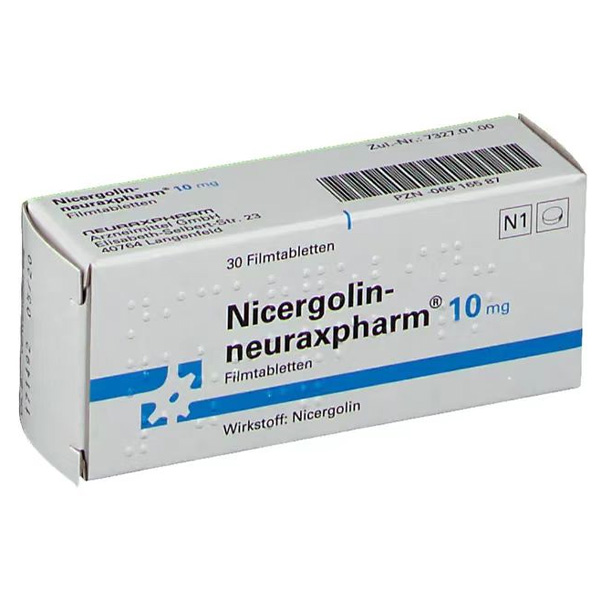
All Names: Nicergoline、尼麦角林、日本脑循环·代谢改善剂
Indications:Suitable for adult patients with post-stroke sequelae accompanied by chronic cerebral circulation disorders and symptoms of decreased motivation.
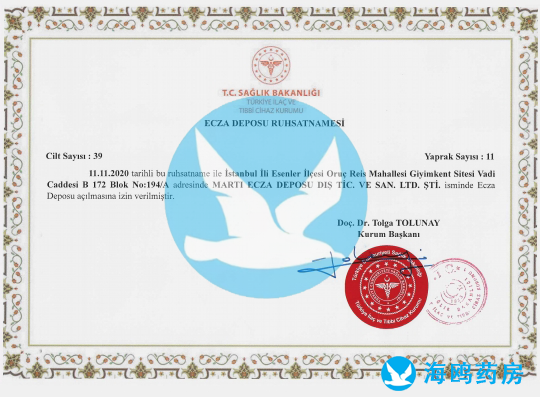
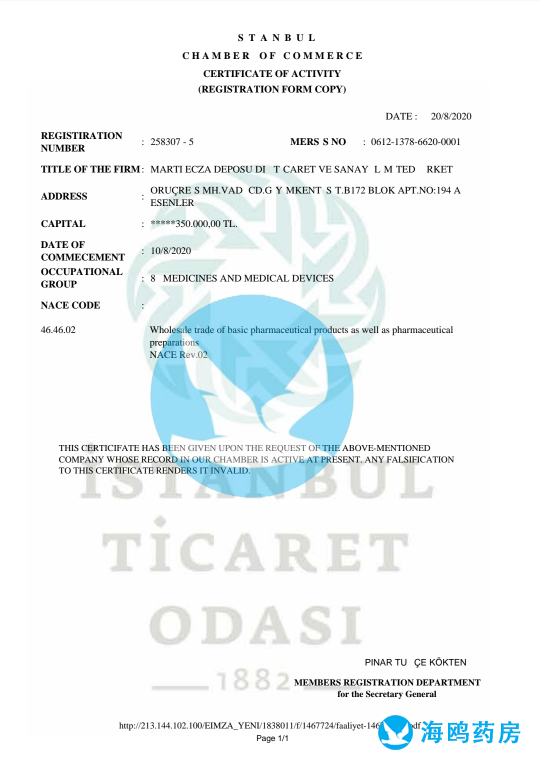
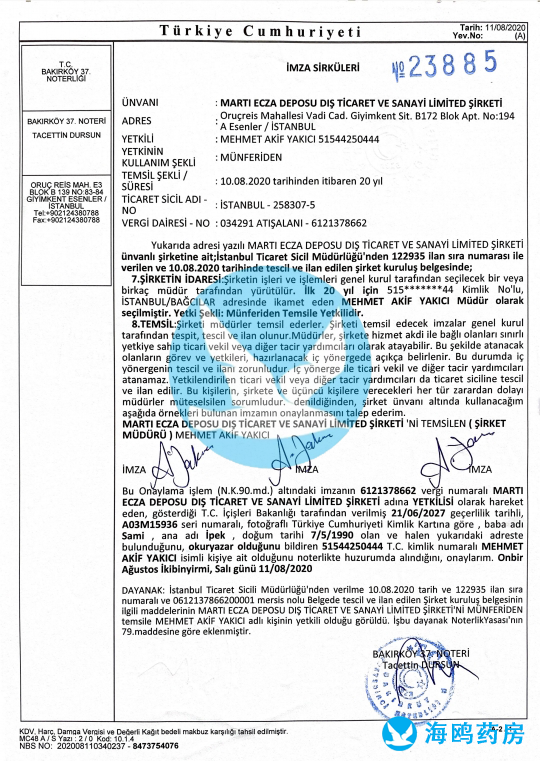
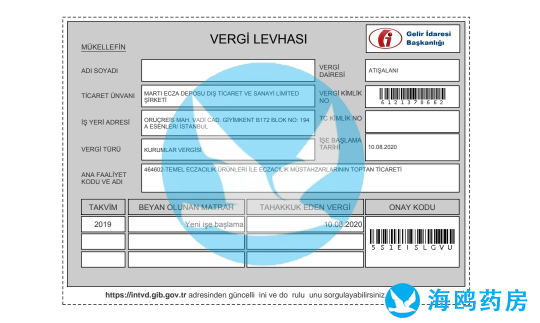
Manufacturer:德国neuraxpharm
Customs Clearance Procedure:If the customs requires the package for customs clearance, please pay the customs clearance fee according to the content of EMS SMS and customs regulations.
Nicergoline is a cerebral circulation and metabolism enhancer that improves cerebral circulation and hemodynamics by selectively dilating cerebral blood vessels, increasing cerebral blood flow, inhibiting platelet aggregation, improving red blood cell deformability, and inhibiting PAF (platelet activating factor) production.
1、 Drug name
Common name: Nicergoline
2、 Indications (effectiveness or effectiveness)
Chronic cerebral circulation disorders accompanied by sequelae of cerebral infarction result in decreased motivation.
3、 Specifications
10mg * 30 pieces/box.
4、 Main components
Active ingredient: Nicergoline.
5、 Usage and dosage
1. Conventional adult dosage: The daily dose for adults is usually 15mg of nicergoline, taken orally in three doses.
2. Usage: It can be adjusted appropriately according to the patient's age and symptoms. Patients should be guided to take the tablets after removing them from the PTP (aluminum-plastic blister) plate, and should not directly swallow the PTP plate to prevent its hard sharp angle from piercing the esophageal mucosa, leading to serious complications such as perforation and mediastinitis.
3. Treatment cycle: The dosing cycle should be carefully determined based on consideration of clinical efficacy and the degree of side effects. If no effect is observed after 12 weeks of continuous medication, the administration should be stopped.
6、 Dose adjustment
1. In principle, appropriate adjustments should be made based on age and symptoms according to the "Usage and Dosage" section.
2. If adverse reactions occur, dosage reduction or discontinuation should be considered based on their severity.
7、 Medication precautions
1. Dosage: The instructions do not specify whether to take before or after meals. Usually, it can be taken orally three times a day at a fixed time.
2. Missed dose: The general principle is to skip the missed dose and take the next dose according to the original plan if it is close to the next medication time. Do not take double the dose at once.
3. Vomiting: When vomiting occurs, it is not recommended to take additional medication. You should wait until the next scheduled time to take the regular dose. If vomiting occurs frequently, one should consult a doctor.
4. Attention to drug delivery: It is particularly emphasized that PTP packaged pills must be taken out of the aluminum foil before consumption to prevent serious esophageal damage caused by accidental ingestion of the packaging.
8、 Medication for special populations
1. Pregnant women: Use only when it is determined that the benefits of treatment outweigh the risks. Animal experiments (on rats) have reported possible inhibition of fetal and neonatal development.
2. Breastfeeding women: The necessity of treatment and the benefits of breastfeeding should be considered, and a cautious decision should be made whether to continue breastfeeding or discontinue medication. The animal experiment (rat) report shows that the drug can enter breast milk.
3. Children: Clinical trials have not yet been conducted in children, and safety and efficacy have not been established.
4. Elderly people: generally experiencing physiological decline, it is important to reduce usage.
5. Patients with liver/kidney dysfunction: The instructions do not provide specific guidance, and it is recommended to use with caution under the guidance of a doctor.
9、 Adverse reactions
When the following side effects are observed, full observation should be made, and any abnormalities should be immediately stopped and appropriate measures taken.
Common adverse reactions (incidence rate below 0.1-1% or frequency unknown):
1. Digestive system: loss of appetite, diarrhea, constipation, nausea, abdominal pain, dry mouth.
2. Circulating system: dizziness, vertigo, palpitations, hot flashes.
3. Mental nervous system: drowsiness, fatigue, headache, tinnitus, insomnia.
4. Allergic reactions: rash, itching, urticaria.
5. Liver: Liver dysfunction.
10、 Contraindications
The following patients are prohibited:
Patients who are considered to have incomplete hemostasis after intracranial hemorrhage (which may worsen the bleeding).
11、 Drug interactions
According to its pharmacological effects (improving cerebral circulation, inhibiting platelet aggregation), caution should be exercised when combined with anticoagulants (such as warfarin) and antiplatelet drugs (such as aspirin and clopidogrel), as there may be a theoretical possibility of increased bleeding risk and close monitoring is necessary.
12、 Storage method
1. Storage: Store at room temperature.
2. Validity period: 3 years.
Nicergolineinformation