- All Drug Categories
- Home
- Anti-cancer Drugs
- Healthcare Products
- Medical Information
- Statement
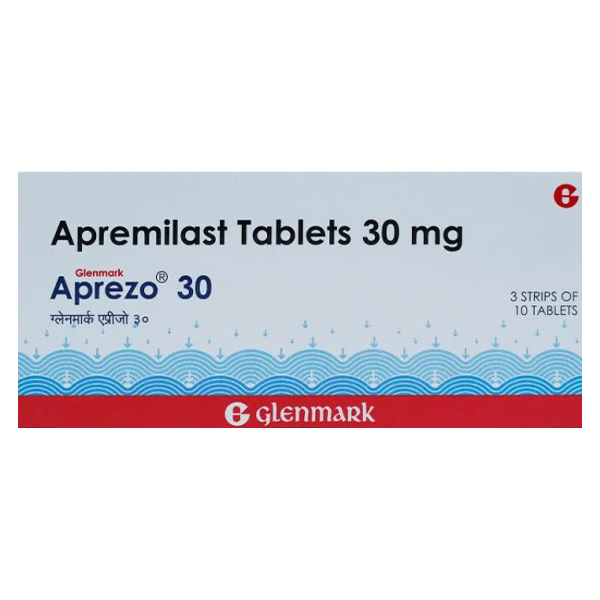
All Names: Otezla、Apremilast、阿普米司特、阿普斯特、欧泰乐
Indications:1. Adult patients: suitable for patients with active psoriatic arthritis, plaque psoriasis suitable for phototherapy or systemic treatment, and Behcet's disease related oral ulcers. 2. Pediatric patients: Children aged 6 years and above with moderate to severe plaque psoriasis weighing at least 20kg, who are suitable for phototherapy or systemic therapy.
Manufacturer:Glenmark,India
Customs Clearance Procedure:If the customs requires the package for customs clearance, please pay the customs clearance fee according to the content of EMS SMS and customs regulations.
Aprilast is an oral small molecule phosphodiesterase 4 (PDE4) inhibitor that selectively inhibits PDE4, increases intracellular cyclic adenosine monophosphate (cAMP) levels, and regulates inflammatory responses.
1. Drug name
Common name: Apremilast
Product Name: Otezla ®
2. Indications
Used to treat adult patients with active psoriatic arthritis.
3. Specifications and characteristics
30mg, Tablets.
4. Main components
The active ingredient is apremistat.
5. Usage and dosage
Patients with severe renal insufficiency: The recommended dose is 30mg once a day.
6. Dose adjustment
Renal insufficiency: For patients with severe renal insufficiency (CLcr<30mL/min), the dosage should be adjusted to 30mg once a day.
Liver dysfunction: No need to adjust dosage.
7. Medication precautions
Before/after meals: can be taken before or after meals.
Missed medication: Take it as soon as possible during the regular medication period. If it is close to the next medication time, skip the missed dose and take the next dose at the regular time. Do not take double the dose at once.
Vomiting: If vomiting occurs quickly after taking medication, the original dose should be taken again.
8. Medication for special populations
Pregnant women: Use only when potential benefits outweigh risks.
Breastfeeding women: Not recommended for use, apremistat can be secreted through mouse milk.
Children: The safety and efficacy of patients under 18 years old have not been determined.
Elderly patients: Patients aged 65 and above should use medication with caution, as their exposure to apremistat may be about 13% higher than that of younger patients.
9. Adverse reactions
The most common adverse reactions (incidence ≥ 5%) are diarrhea, nausea, and headache. About 10% of patients may experience a weight loss of 5-10% and require regular weight monitoring.
10. Contraindications
Patients who are known to be allergic to apremistat or any excipients in the formulation are prohibited from using it.
11. Drug interactions
Do not use in combination with potent CYP450 enzyme inducers (such as rifampicin, phenobarbital, carbamazepine, phenytoin), as they significantly reduce the blood concentration of apremilast, leading to loss of efficacy.
12. Storage method
Sealed and stored in an environment below 30 ° C (86 ° F).
Apremilastinformation