- All Drug Categories
- Home
- Anti-cancer Drugs
- Healthcare Products
- Medical Information
- Statement
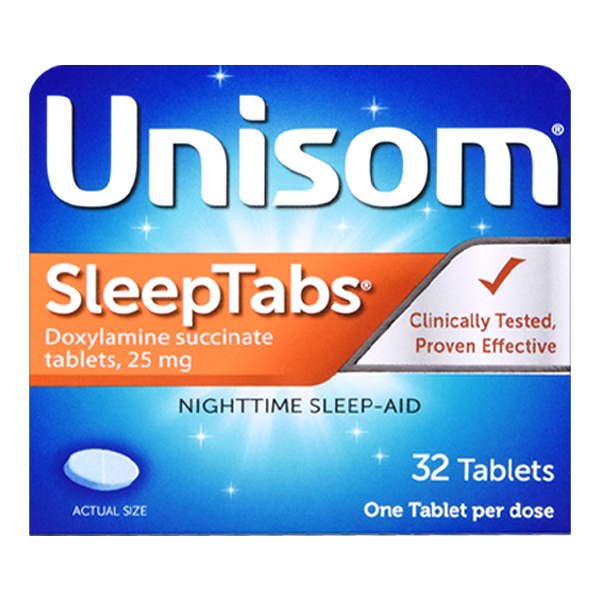
All Names: Bonjesta、Doxylamine、多西拉敏
Indications:Suitable for female patients with nausea and vomiting symptoms during pregnancy who have failed conservative treatment.
Manufacturer:the United States
Customs Clearance Procedure:If the customs requires the package for customs clearance, please pay the customs clearance fee according to the content of EMS SMS and customs regulations.
Bonjesta is a sustained-release tablet composed of docetaxel succinate and pyridoxine hydrochloride, which belongs to a combination of antihistamines and vitamin B6 analogues.
1、 Drug name
Bonjesta
2、 Indications
Used to treat nausea and vomiting during pregnancy that is ineffective with conservative treatment.
Note: No studies have been conducted on patients with hyperemesis gravidarum during pregnancy.
3、 Specifications
Specification: 25mg * 32 pieces.
4、 Main components
Active ingredients: Docetamine succinate (antihistamine), pyridoxine hydrochloride (vitamin B6 analogue).
5、 Usage and dosage
Initial dose: Take one tablet orally before bedtime on the first day.
Dose adjustment: If symptoms are not fully controlled on the second day, it can be increased to 2 tablets per day (1 tablet in the morning and 1 tablet before bedtime).
Maximum dose: No more than 2 tablets per day (1 tablet in the morning and 1 tablet before bedtime).
6、 Precautions for dose adjustment
Before and after meals: It should be taken on an empty stomach and taken with a glass of water. Food may delay drug absorption and reduce the bioavailability of pyridoxine.
Omission: Not clearly stated. It is recommended to take according to the doctor's advice on a daily basis and not to use as needed.
Vomiting: If vomiting occurs after taking medication without specific guidance, it is recommended to consult a doctor.
7、 Medication for special populations
Pregnant women: Used only for pregnant women, epidemiological studies have not shown an increased risk of teratogenicity.
Breastfeeding period: Prohibited. Docetamine can enter breast milk and may cause excitement, irritability, or sedation in infants; Pyridoxine can also enter breast milk.
The safety and efficacy of children under 18 years old have not yet been established.
Patients with liver and kidney dysfunction: No relevant pharmacokinetic studies have been conducted.
8、 Adverse reactions
Common adverse reactions: drowsiness (incidence ≥ 5% and higher than placebo group).
Other reported adverse reactions: dizziness, headache, dry mouth, blurred vision, tachycardia, constipation, rash, etc.
9、 Contraindications
Individuals allergic to docetamine succinate, other ethanolamine antihistamines, pyridoxine hydrochloride, or any excipients.
Those who use monoamine oxidase inhibitors (MAOIs).
10、 Drug interactions
Central nervous system inhibitors: Used in combination with alcohol or other sedatives (such as hypnotics, sedatives) may cause severe drowsiness, increase the risk of falls or accidents.
MAOI: Prohibited for combination, may enhance central nervous system anticholinergic effects.
Urinary drug screening interference: may lead to false positive urine tests for methadone, opioid drugs, and phencyclidine (PCP).
11、 Storage method
Store at 20 ° C-25 ° C (68 ° F-77 ° F) and allow for brief storage within the range of 15 ° C-30 ° C (59 ° F-86 ° F).
Keep the bottle cap tightly closed, moisture-proof, and do not remove the desiccant from the bottle.
Bonjestinformation