- All Drug Categories
- Home
- Anti-cancer Drugs
- Healthcare Products
- Medical Information
- Statement
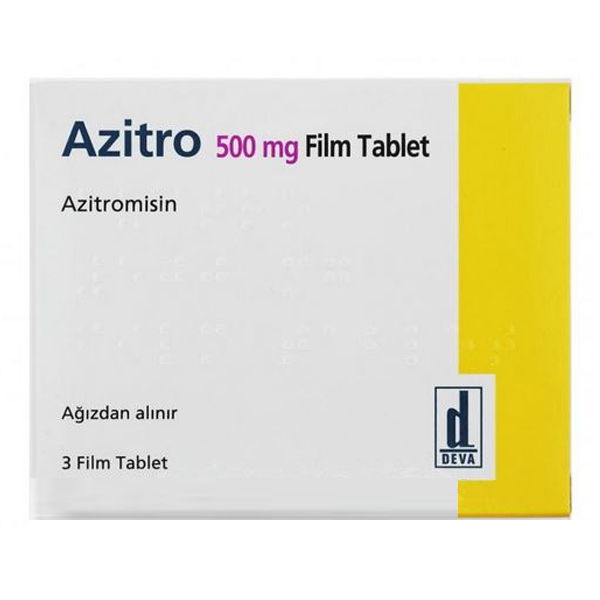
All Names: Azithromycin,Zithromax、阿奇霉素片,阿奇霉素水合物,利普奇
Indications:Suitable for adults aged 18 and above diagnosed with mild to moderate infections caused by sensitive bacteria without contraindications or contraindications for oral treatment (such as moderate to severe illness, hospitalization, etc.), as well as children aged 6 months and above (acute otitis media, community-acquired pneumonia, acute bacterial sinusitis) or 2 years and above (pharyngitis/tonsillitis) diagnosed with infections caused by sensitive bacteria without contraindications.
Manufacturer:Deva
Customs Clearance Procedure:If the customs requires the package for customs clearance, please pay the customs clearance fee according to the content of EMS SMS and customs regulations.
Azithromycin has inhibitory effects on various bacteria, such as Staphylococcus aureus, Streptococcus pyogenes, Streptococcus pneumoniae, Haemophilus influenzae, etc.
I. Drug name
1. Product Name: ZITHOMAX
2. Common name: Azithromycin
II. Indications
Used to treat mild to moderate infections caused by sensitive bacteria, including:
1. Adults: Acute exacerbation of bacterial chronic bronchitis, acute bacterial sinusitis, uncomplicated skin and skin structure infections, urethritis and cervicitis, male genital ulcer disease, community-acquired pneumonia, pharyngitis/tonsillitis (second-line treatment)
2. Pediatric patients (6 months and above): acute otitis media, community-acquired pneumonia, pharyngitis/tonsillitis
III. Specifications
500mg * 3 tablets/box.
IV. Main components
Active ingredient: Azithromycin (present in the form of azithromycin dihydrate)
V. Usage and dosage
1. Adults:
Community acquired pneumonia: 500mg orally on the first day, followed by 250mg daily for 4 consecutive days; Or 500mg daily for 3 consecutive days.
Pharyngitis/tonsillitis (second-line treatment): 500mg daily for 3 consecutive days.
Adjust the dosage and course of treatment for other infections based on the specific condition.
2. Pediatric patients:
Acute otitis media: 30mg/kg once orally, or 10mg/kg once daily for 3 consecutive days, or 10mg/kg on the first day, followed by 5mg/kg once daily for 4 consecutive days.
Community acquired pneumonia, pharyngitis/tonsillitis: 10mg/kg orally once on the first day, followed by 5mg/kg once daily for 4 consecutive days.
VI. Dose adjustment
1. For patients with renal insufficiency, dose adjustment may be necessary, especially for those with severe renal insufficiency (GFR<10mL/min).
2. The dosage adjustment for patients with liver dysfunction has not been established yet.
VII. Medication precautions
1. Before and after meals: can be taken with or without food.
2. Missed dose: If missed, it should be taken as soon as possible. However, if it is close to the next dose, skip the missed dose and take the medication at the regular time without doubling the dose.
3. Vomiting: If vomiting occurs within 30 minutes after taking the medication, it should be re administered; If vomiting persists, contact a doctor.
VIII. Medication for special populations
1. Pregnant women: The risk summary is unknown, and it is necessary to weigh the pros and cons before use.
2. Breastfeeding women: Azithromycin can be secreted into breast milk, and potential effects on infants need to be considered.
3. Pediatric patients: The safety and efficacy of pediatric patients under 6 months of age have not been established.
4. Elderly patients: Elderly patients may be more prone to QT interval prolongation and should be used with caution.
IX. Adverse reactions
1. Common adverse reactions include diarrhea, nausea, abdominal pain, and vomiting.
2. Serious adverse reactions include allergic reactions, hepatotoxicity, QT interval prolongation and torsades de epoints, Clostridium difficile associated diarrhea, and exacerbation of myasthenia gravis.
X. Contraindications
1. It is contraindicated for patients allergic to azithromycin, erythromycin, any macrolide or ketolide drugs.
2. Patients with a history of cholestatic jaundice/liver dysfunction after using azithromycin are contraindicated.
XI. Drug interactions
1. The combination with Nelfinavir may increase the blood concentration of azithromycin, and adverse reactions need to be closely monitored.
2. The combination with warfarin may increase clotting time, and prothrombin time needs to be monitored.
3. Caution should be exercised when combining with other drugs that may prolong the QT interval.
XII. Storage method
Tablets: Store at 15 ° C to 30 ° C (59 ° F to 86 ° F).
Azithromycininformation