- All Drug Categories
- Home
- Anti-cancer Drugs
- Healthcare Products
- Medical Information
- Statement
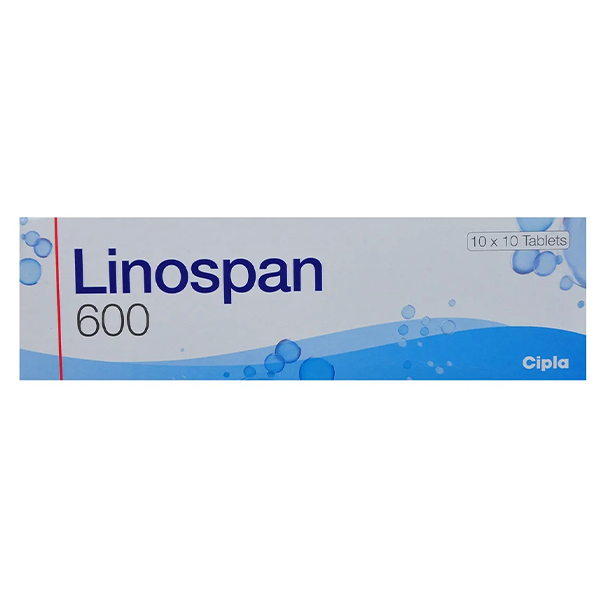
All Names: Linezolid, Swo Linezolid、Zyvox、Linospan
Indications:It is suitable for adults and children to treat hospital acquired pneumonia caused by sensitive gram-positive bacteria, community acquired pneumonia (including cases with bacteremia), complex skin and skin soft tissue infections (including diabetes foot infections, excluding cases with osteomyelitis), simple skin and skin soft tissue infections, and vancomycin resistant enterococcus faecium infections.
Manufacturer:Cipla, India
Customs Clearance Procedure:If the customs requires the package for customs clearance, please pay the customs clearance fee according to the content of EMS SMS and customs regulations.
Linezolid is the world's first oxazolidone antibiotic to be marketed, and it is not easy to induce bacterial resistance.
1、 Drug name
Common name: Linezolid
Product Name: ZYVOX ®。
2、 Indications
Used to treat infections caused by sensitive Gram positive bacteria, including:
Hospital acquired pneumonia.
Community acquired pneumonia (including those with concomitant bacteremia).
Complex skin and skin soft tissue infection (including diabetes foot infection without osteomyelitis).
Non complex skin and skin soft tissue infections.
Vancomycin resistant Enterococcus faecium infection (including those with concomitant bacteremia).
Restrictions: Not applicable to Gram negative bacterial infections; The safety and efficacy of medication for more than 28 days have not been evaluated in controlled clinical trials.
3、 Specifications and characteristics
Tablets: 600mg.
4、 Main components
Active ingredient: Linezolid.
5、 Usage and dosage
Adults and adolescents (≥ 12 years old):
Hospital acquired pneumonia, community-acquired pneumonia, complex skin infections, and vancomycin resistant enterococcal infections: 600mg orally, once every 12 hours, for a course of 10-28 days (depending on the type of infection).
Non complex skin infections: 400mg orally, once every 12 hours, for a treatment period of 10-14 days.
Children (born to 11 years old):
Hospital acquired pneumonia, community-acquired pneumonia, complex skin infections, and vancomycin resistant enterococcal infections: 10mg/kg orally, once every 8 hours.
Non complex skin infections:<5 years old: 10mg/kg orally every 8 hours; 5-11 years old: 10mg/kg orally every 12 hours.
Premature newborns (<34 weeks of gestational age,<7 days of age): initial dose of 10mg/kg every 12 hours. If the therapeutic effect is insufficient, it can be adjusted to once every 8 hours.
Intravenous to oral: No need to adjust dosage.
6、 Dose adjustment
Renal insufficiency: No dose adjustment is required, but metabolites may accumulate and the risk needs to be balanced.
Liver dysfunction (mild to moderate): No adjustment required; Severe liver dysfunction has not been evaluated.
Elderly: No need for adjustment.
Hemodialysis: About 30% of the medication can be cleared, and it is recommended to administer the medication after dialysis.
7、 Medication precautions
Before and after meals: can be taken with food or on an empty stomach. High fat foods may delay peak time and reduce blood drug peak by about 17%, but do not affect total absorption.
Missed dose: It should be taken as soon as possible. If it is close to the next dose, skip it and do not double the dosage.
Vomiting: If vomiting occurs after taking medication, it is not recommended to take it again and wait until the next scheduled medication time.
8、 Medication for special populations
Pregnant women: Limited data does not indicate significant risks, but animal experiments suggest embryonic toxicity, and the pros and cons need to be weighed.
Breastfeeding period: Medications can enter breast milk, and the infant's intake is about 6% -9% of the therapeutic dose. It is recommended to monitor infant diarrhea or vomiting.
Children: Medication should be administered according to weight, and the frequency should be adjusted for premature newborns; Not recommended for central nervous system infections.
Elderly: No need to adjust dosage, but may be more sensitive to medication.
9、 Adverse reactions
Common (>5%): Diarrhea, vomiting, headache, nausea, anemia.
Serious adverse reactions:
Bone marrow suppression (anemia, thrombocytopenia, etc.), especially for those who have been taking medication for more than 2 weeks or have liver and kidney dysfunction.
Peripheral neuropathy and optic neuropathy (often seen after more than 28 days of medication).
Serotonin syndrome (when combined with antidepressants and opioids).
Lactic acidosis, convulsions, rhabdomyolysis, hypoglycemia, hyponatremia.
Clostridium difficile associated diarrhea.
10、 Contraindications
Known to be allergic to linezolid or any excipients.
Currently using monoamine oxidase inhibitors (MAOIs) or discontinuing MAOIs for less than 2 weeks.
11、 Drug interactions
MAOI and related drugs: Do not use in combination with MAOI; Combined use with sympathomimetic drugs (such as pseudoephedrine) or vasopressors (such as adrenaline) may increase blood pressure.
Serotonin drugs: Combined use with SSRI antidepressants and opioids may cause serotonin syndrome.
Strong CYP3A4 inducer: Rifampicin may reduce the blood concentration of linezolid.
Foods containing casein: Avoid consuming large amounts of aged cheese, fermented meat products, soy sauce, canned beer, etc. to prevent elevated blood pressure.
12、 Storage method
Store below 25 ° C (77 ° F), away from light and moisture.
Linezolidinformation