- All Drug Categories
- Home
- Anti-cancer Drugs
- Healthcare Products
- Medical Information
- Statement
All Names: Rufinamid、Rufinamide、Banzel、ルフィナミド 、卢非酰胺
Indications:Suitable for pediatric patients aged 1 year and above (including those aged 1 to 17 years and below) and adults aged 17 years and above, diagnosed with Lennox Gastaut syndrome (LGS) and requiring seizure adjuvant therapy.
Manufacturer:Eisai, Japan
Customs Clearance Procedure:If the customs requires the package for customs clearance, please pay the customs clearance fee according to the content of EMS SMS and customs regulations.
Rufinamide is a new type of triazole derivative antiepileptic drug developed by Eisai Corporation in Japan. It effectively reduces abnormal neuronal discharges by regulating the activity of voltage-gated sodium ion channels in the brain, providing a new strategy for epilepsy treatment.
1、 Drug name
Common name: Rufinamide
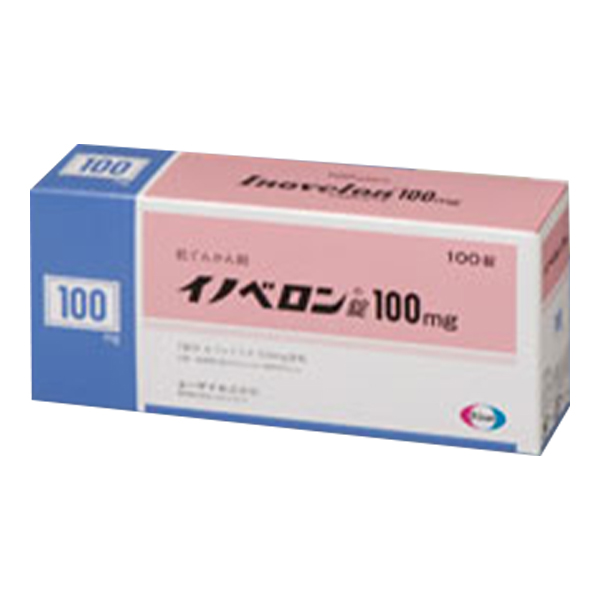
Product Name: Banzel
2、 Indications and Target Population
Suitable for adjuvant treatment of Lennox Gastaut syndrome related epileptic seizures in children aged 1 year and above and adults.
3、 Specifications and characteristics
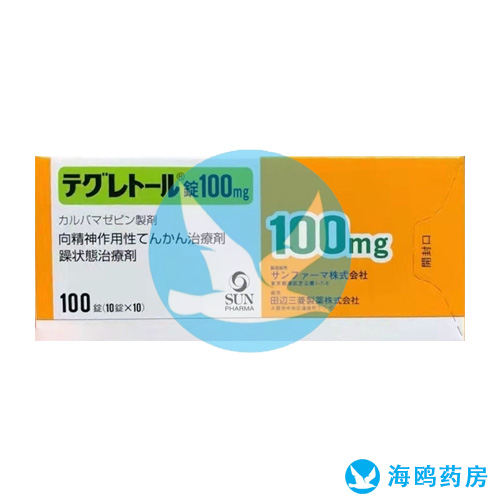
Specification: 100mg, 100 pieces per box.
Appearance: Thin film coated sheet.
4、 Main components
Active ingredient: Lufenamide.
5、 Usage and dosage
Adult patients: starting dose of 400-800mg/day, divided into 2 doses, increasing by 400-800mg every 2 days, with a maximum daily dose of 3200mg.
Child patients (≥ 1 year old): The initial dose is 10mg/kg/day, divided into 2 doses, with an increase of 10mg/kg every 2 days. The maximum daily dose is 45mg/kg (not exceeding 3200mg).
Administration method: It should be taken with food, and the film coated tablets can be taken in whole, half, or crushed form.
6、 Dose adjustment
Combination use of valproic acid: The initial dose for pediatric patients should be less than 10mg/kg/day, and for adults it should be less than 400mg/day.
Liver function impairment: It is contraindicated for patients with severe liver function impairment, and should be used with caution for patients with mild to moderate liver function impairment.
Hemodialysis: Dialysis will reduce the drug exposure by about 30%, and the dosage needs to be adjusted during dialysis.
7、 Medication precautions
Medication time: It must be taken together with food to improve bioavailability.
Omission treatment: If you forget to take your medication, you should take the regular dose at the next normal medication time and do not double the dosage.
Vomiting treatment: If vomiting occurs shortly after taking medication, it is necessary to consult a doctor to determine whether supplementation is needed.
8、 Medication for special populations
Children: Patients over 1 year old should strictly calculate the dosage according to their weight.
Pregnant/breastfeeding period: There is currently no clear research data available, and the pros and cons need to be weighed.
Elderly patients: The dosage should be adjusted according to renal function.
9、 Adverse reactions
Common reactions (≥ 10%): headache, dizziness, fatigue, drowsiness, nausea.
Neurological reactions: tremors, unstable walking, abnormal eye movements.
Digestive system reactions: decreased appetite, vomiting, diarrhea.
Serious adverse reactions: suicidal tendencies, severe rash, arrhythmia, immediate medical attention is required.
10、 Contraindications
Prohibited for individuals allergic to Lufenamide or excipients; Patients with severe liver function impairment are prohibited from using it.
11、 Drug interactions
The initial dose needs to be adjusted when combined with valproic acid; Co administration with central nervous system inhibitors may exacerbate drowsiness reactions.
12、 Storage method
Store in a sealed container at room temperature, avoid moisture, and keep out of reach of children.
13、 Manufacturer
Developed and produced by Eisai, a Japanese company.
Rufinamidinformation