- All Drug Categories
- Home
- Anti-cancer Drugs
- Healthcare Products
- Medical Information
- Statement
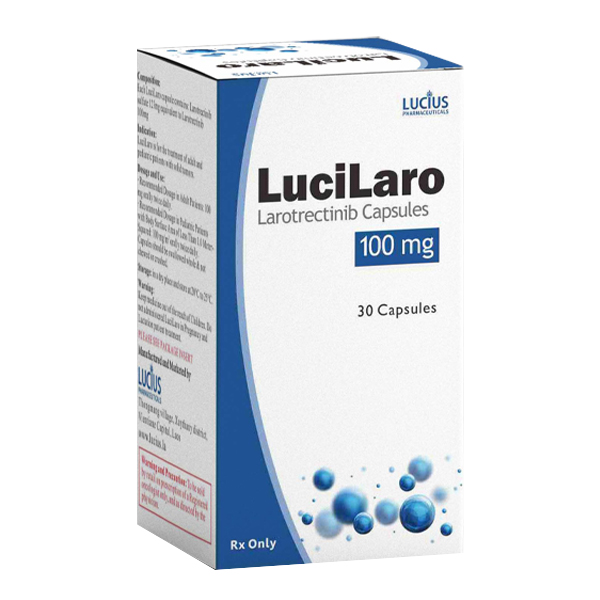
All Names: larotrectinib、Vitrakvi、拉罗替尼口服液、拉罗替尼胶囊
Indications:Adult cancer patients who carry fusion of the neurotrophin receptor tyrosine kinase (NTRK) gene and have no known acquired resistance mutations, metastases, or surgical resection that may lead to severe disease and unsatisfactory alternative treatment or post-treatment progression
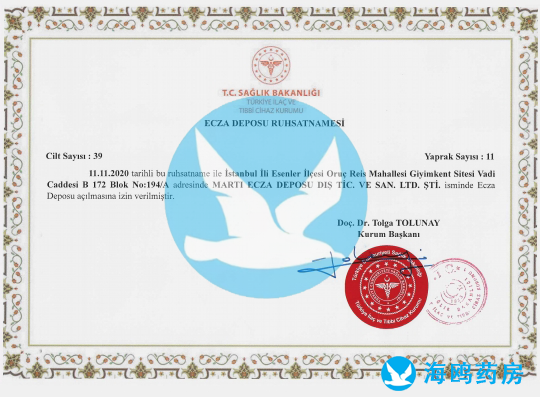
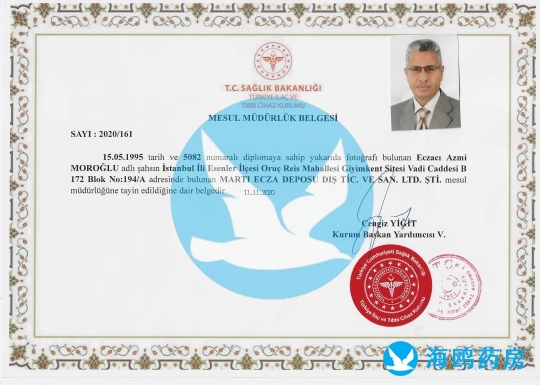
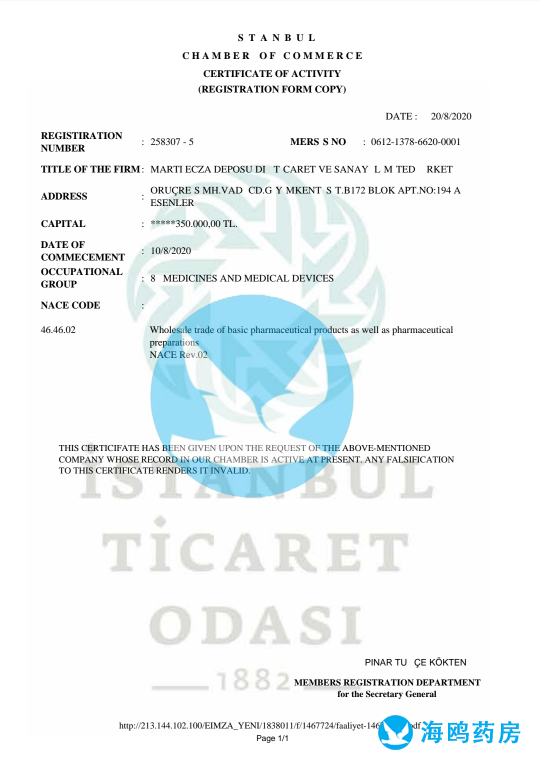
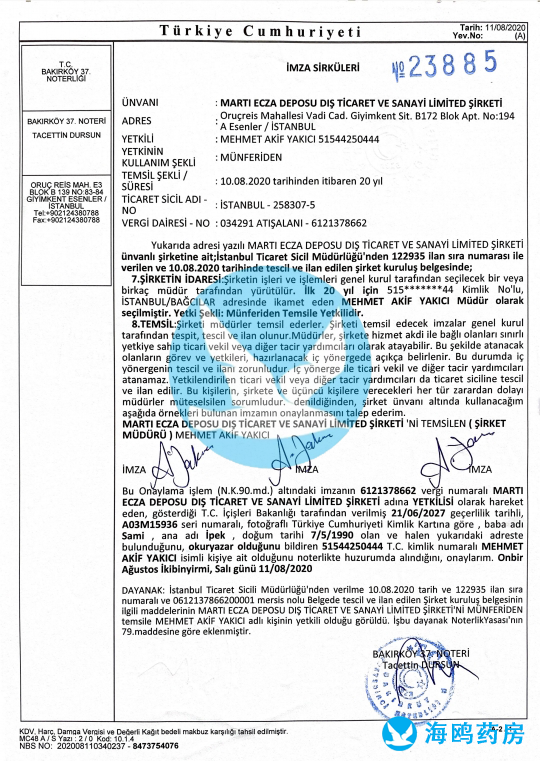
Manufacturer:LUCIUS PHARMACEUTICAL (LAOS) CO., LTD
Customs Clearance Procedure:If the customs requires the package for customs clearance, please pay the customs clearance fee according to the content of EMS SMS and customs regulations.
Larotrectinib is a highly selective tyrosine kinase inhibitor that inhibits tumor cell proliferation and survival by targeting the activity of TRKA, TRKB, and TRKC proteins produced by the fusion of neurotrophic tyrosine receptor kinase (NTRK) genes, blocking their downstream signaling pathways
1、 Drug name and main ingredients
1. Common name: Larotrectinib
2. Product Name: VITRAKVI ®
3. Dosage form: Capsules (100mg)
4. Main ingredients: Lalotinib sulfate (25mg capsule contains 30.7mg sulfate, 100mg capsule contains 123mg sulfate, oral solution contains 24.6mg/mL sulfate), excipients include gelatin, titanium dioxide (capsule), hydroxypropyl betacyclodextrin, sucrose (oral solution), etc.
2、 Indications
NTRK gene fusion solid tumor: used to treat solid tumor patients in adults and children who are NTRK gene fusion positive, metastatic, or have surgery that may cause serious complications, and have no satisfactory alternative treatment options or have failed previous treatments. This indication is approved based on the overall response rate and duration of response, and further clinical benefits need to be validated.
3、 Specifications and characteristics
100mg (white opaque hard capsule).
4、 Usage and dosage
1. Adults and children with a body surface area ≥ 1.0m ²: 100mg orally, twice daily (with an interval of approximately 12 hours).
2. Children with a body surface area<1.0m ²: 100mg/m ² orally, twice daily (maximum dose 100mg/time).
3. Medication method: Take the capsule as a whole, not with food or on an empty stomach; If there is a delay of more than 6 hours from the next administration after missed medication, it can be taken again. There is no need to take it again after vomiting.
5、 Dose adjustment
1. Adverse reactions: The first dose is reduced to 75mg (or 75mg/m2) twice a day, the second dose is reduced to 50mg (or 50mg/m2) twice a day, and the third dose is reduced to 100mg once a day (or 25mg/m2 twice a day). If intolerable, the medication will be permanently discontinued.
2. Liver dysfunction: Patients with moderate to severe (Child Pugh B/C) have their starting dose halved.
3. Drug interactions: When combined with strong CYP3A4 inhibitors, the dose is halved, and when combined with strong CYP3A4 inducers, the dose is doubled.
6、 Medication precautions
1. Neurotoxicity: 53% of patients experience dizziness, ataxia, etc., and should avoid driving or operating machinery.
2. Hepatotoxicity: Monitor ALT/AST every 2 weeks during the first month of treatment, and then switch to monthly monitoring.
3. Drug interactions: Avoid using strong CYP3A4 inhibitors (such as ketoconazole), inducers (such as rifampicin), and sensitive CYP3A4 substrates (such as midazolam) in combination.
7、 Medication for special populations
1. Pregnant women: prohibited (animal experiments show teratogenicity).
2. Breastfeeding period: Breastfeeding is prohibited during the treatment period and within one week after the last dose.
3. Children: Safety data is limited for ages ≥ 1 month, and doses for ages ≥ 12 are the same as for adults.
4. Elderly: No need to adjust dosage.
8、 Adverse reactions
1. Common (≥ 20%): fatigue (37%), nausea (29%), dizziness (28%), vomiting (26%), elevated AST/ALT (45% each), constipation (23%), diarrhea (22%).
2. Serious reactions: neurotoxicity (6% at grade 3-4), hepatotoxicity (3% at grade 3-4 ALT/AST elevation).
9、 Contraindications
There are no absolute contraindications, but it is contraindicated for those who are allergic to the ingredients.
10、 Drug interactions
1. CYP3A4 strong inhibitor: To increase the blood concentration of Lalotinib, a 50% reduction is required.
2. CYP3A4 strong inducer: To reduce the blood concentration of Lalotinib, the dosage needs to be doubled.
3. Sensitive CYP3A4 substrate: may increase its blood drug concentration, and should be avoided in combination.
11、 Storage method
Capsules: Store at room temperature of 20-25 ℃.
Note: During the treatment period, it is necessary to regularly monitor the NTRK fusion status, liver function, and neurological symptoms. Avoid using with grapefruit or St. John's wort.
larotrectinibinformation