- All Drug Categories
- Home
- Anti-cancer Drugs
- Healthcare Products
- Medical Information
- Statement
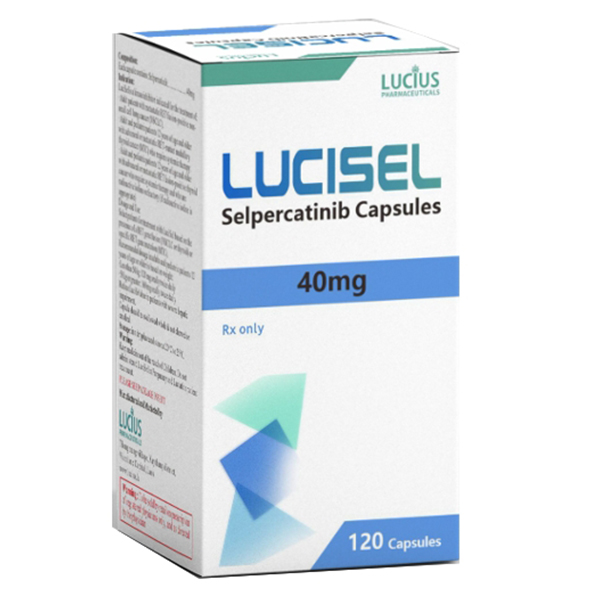
All Names: Selpercatinib、Retevmo、LOXO-292、塞普替尼、赛普替尼、塞尔帕替尼
Indications:Suitable for patients confirmed to have RET gene fusion or RET gene mutation through testing, including adults and children and adolescents aged 2 years and above
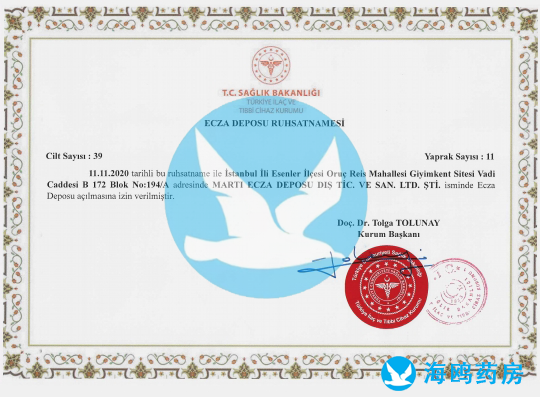
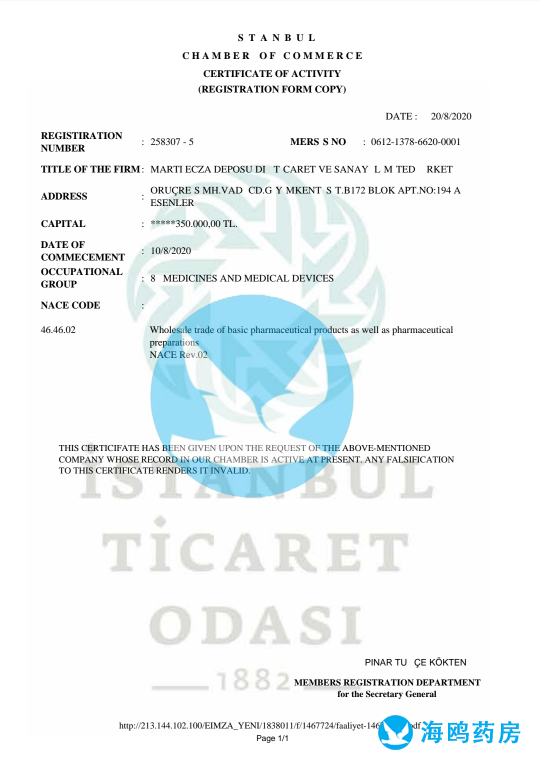
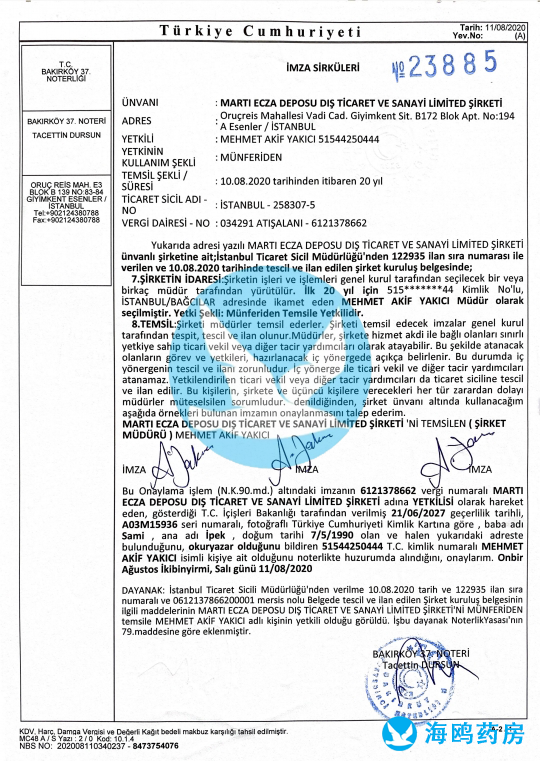
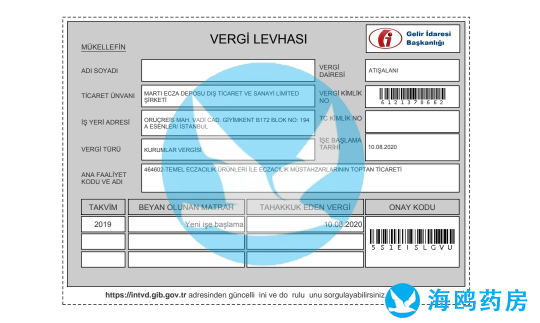
Manufacturer:LUCIUS PHARMACEUTICAL (LAOS) CO., LTD
Customs Clearance Procedure:If the customs requires the package for customs clearance, please pay the customs clearance fee according to the content of EMS SMS and customs regulations.
Retevmo is a highly selective and potent kinase inhibitor that works by targeting the mutated or fused form of the RET (RearrangedDuringTransfection) gene.
1、 Drug name
1. Common name: Selpercatinib
2. Product Name: Retevmo ™
2、 Indications
1. Adult metastatic RET fusion positive non-small cell lung cancer (NSCLC).
2. Patients aged 12 years and above with advanced or metastatic RET mutant medullary thyroid carcinoma (MTC) who require systematic treatment.
3. Patients aged 12 and above with advanced or metastatic RET fusion positive thyroid cancer who require systematic treatment and are refractory to radioactive iodine therapy.
3、 Specifications and characteristics
Capsule dosage form: 40mg).
4、 Main components
1. Active ingredient: Serpatinib.
2. Accessories: Microcrystalline cellulose, colloidal silica (capsule shell containing gelatin, titanium dioxide, etc.).
5、 Usage and dosage
1. Conventional dosage:
≥ 50kg: 160mg orally, twice daily (with a 12 hour interval); <50kg: 120mg orally, twice a day.
2. Usage:
Swallow the whole pill, do not chew or crush it.
Both before and after meals are acceptable, but if proton pump inhibitors (such as omeprazole) are used in combination, they should be taken with food.
3. Leakage handling:
If it is more than 6 hours before the next medication, you can take it again, otherwise skip it.
4. Vomiting treatment:
After vomiting, there is no need to take the next dose as planned.
6、 Dose adjustment
1. Hepatotoxicity: Suspend administration when AST/ALT levels increase, and reduce dosage by 2 levels after recovery (e.g. 160mg → 120mg).
2. Hypertension: Discontinue medication for grade 3 hypertension, reduce dosage after control; Level 4 permanent discontinuation of medication.
3. QT prolongation: pause at level 3 until recovery, reduce dosage; Level 4 permanent discontinuation of medication.
4. Severe liver injury: dose halved (e.g. 160mg → 80mg).
7、 Medication precautions
1. Combination restrictions:
Avoid combining with strong/medium acting CYP3A inhibitors (such as itraconazole) or inducers (such as rifampicin).
Antacids should be taken every 2 hours.
2. Monitoring requirements:
Regularly monitor liver function, blood pressure, QT interval, and electrolytes before medication and during treatment.
8、 Medication for special populations
1. Pregnant women: have embryotoxicity and need to use contraception for one week after discontinuing the medication.
2. Breastfeeding period: Avoid breastfeeding during treatment and within one week of discontinuation of medication.
3. Children: Safe and effective for ages ≥ 12, insufficient data for ages<12.
4. Liver injury: Severe cases require reduced dosage.
9、 Adverse reactions
Common (≥ 25%) include:
1. Laboratory abnormalities: AST/ALT elevation, high blood sugar, low albumin, low calcium.
2. Clinical symptoms: dry mouth, diarrhea, hypertension, fatigue, rash, edema.
10、 Contraindications
There are no clear contraindications.
11、 Drug interactions
1. CYP3A effects: Strong inhibitors increase efficacy (need to be reduced), strong inducers decrease efficacy (avoid combination use).
2. CYP2C8/3A substrate: may increase its blood drug concentration (such as regorazine).
12、 Storage method
Store at room temperature (20-25 ℃), allowing short-term fluctuations of 15-30 ℃.
Retevmoinformation